


Warhound launches with $200M for engineered working dogs
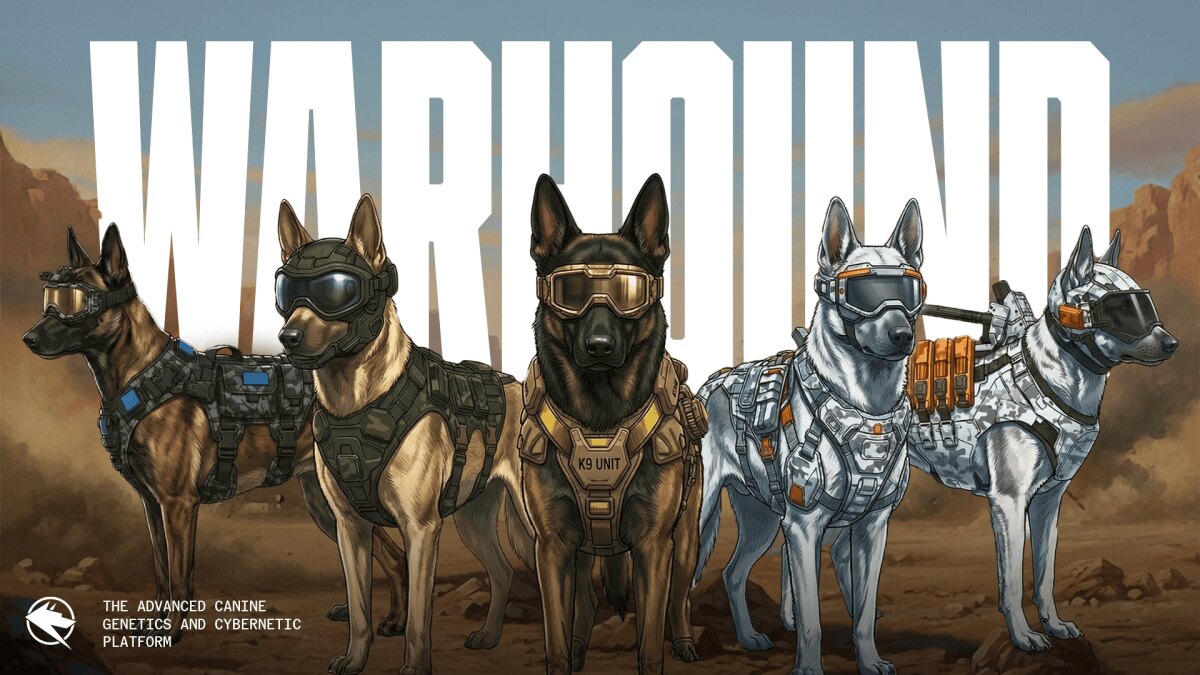
Warhound has emerged from stealth with $200 million in funding and a reported $1.2 billion valuation to develop genetically engineered working dogs for the U.S. military, law enforcement and emergency-response teams. The company was founded around an idea from Colossal Biosciences’ Ben Lamm and Anduril co-founder Palmer Luckey, combining animal biotechnology with protective hardware and software.
Investors in the round include In-Q-Tel, Sequoia and 8VC. Warhound is focused on dogs used in hazardous or specialised assignments, including bomb detection, searches and other operations that are dangerous for people or difficult for machines.
Addressing the supply of military working dogs
Warhound says that more than 80% of working dogs used by the U.S. military are sourced from Europe, and that fewer than half are fit for service. The company frames this as both a supply constraint and a dependence on foreign countries for animals used by military and law-enforcement organisations.
Lamm said many candidate dogs do not complete training because of genetic predispositions, including poor eyesight and increased risks of cancer, hip dysplasia or muscle atrophy. Warhound intends to use Colossal’s technology to pursue dogs with characteristics suited to demanding missions, including health, longevity, speed, agility and enhanced olfactory capability.
Gene editing paired with Anduril equipment
The team has taken cell lines from Belgian Malinois and German Shepherds, described as leading working-dog breeds, and placed them in a biobank. Warhound plans to edit genes by adding traits it considers useful for performance and removing those it does not, with the aim of creating what Lamm called a new type of dog.
Anduril’s role is focused on technology used with the animals rather than genetic changes. The company is expected to provide hardware and software for equipment such as protective vests and eye goggles. Lamm cited the example of bullet-resistant vests equipped with data sensors that can send information to handlers, helping them understand conditions around the dog and support situational awareness and coordination.
Lamm said these additions are intended to make dogs safer and healthier “on top of the dog, not in the dog,” while also helping protect human handlers. He told TechCrunch that Luckey does not hold equity in Warhound and is a partner; Colossal owns equity and supports the business through technology licensing.
Cloning timeline and service plans
Warhound plans to clone and incubate its first batch of dogs, with births expected early next year and a target of entering service within the following two years. Viagen, another Colossal-owned company, is partnering on cloning. Lamm said Viagen has a high success rate with the process and is already used in Colossal’s endangered-species protection work.
The startup has not set pricing. It expects potential customers to include first responders, the Department of Defense, military service groups and police forces. Lamm said the company has briefed government groups, and that the dogs would be trained and managed like other military working dogs by the organisations that acquire them.
Warhound said it is working under the guidance of the American Humane Society to help certify its training programme. It also hopes retired animals will enter the Society’s Military Working Dog Reunification Program or another suitable programme. For prospective public-sector buyers, the practical issue is not only whether the technology can improve candidate dogs, but how cloning, training, certification, equipment and long-term care are governed together before deployment.