


Waymo plans direct robotaxi bookings in Austin and Atlanta
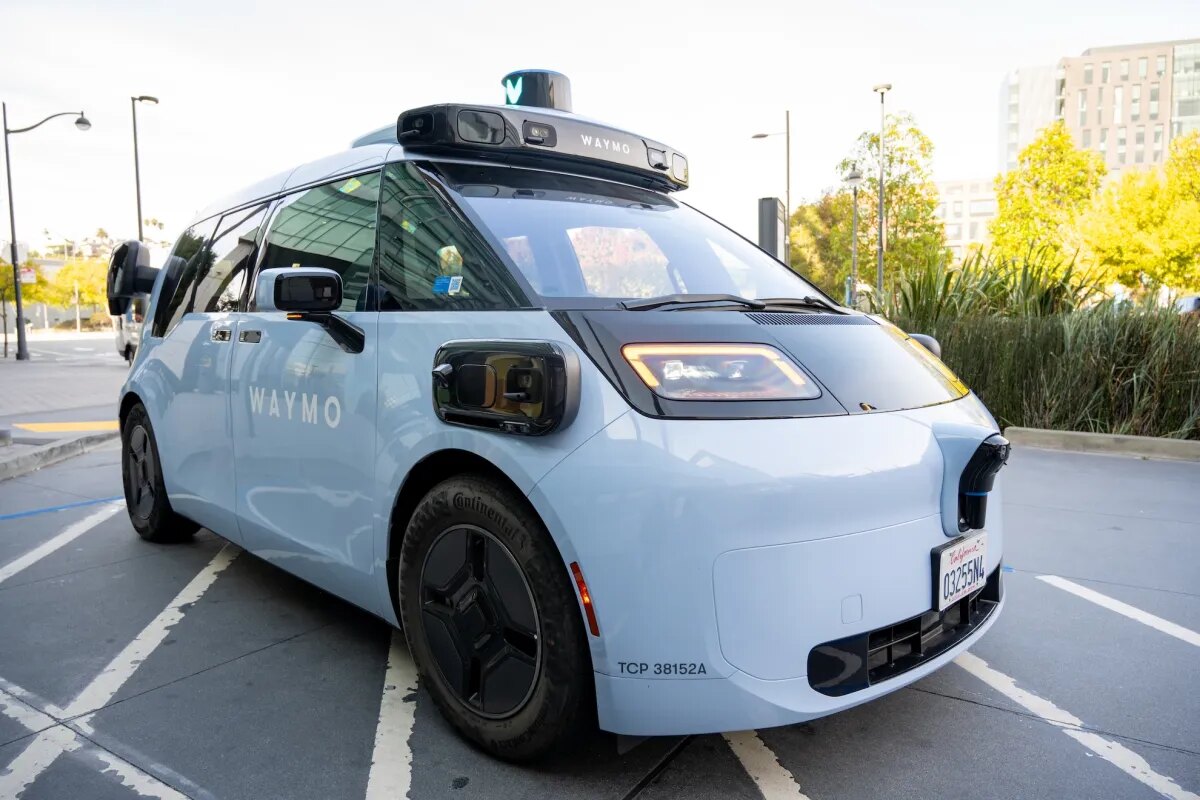
Waymo will end its Uber partnership in Austin and Atlanta in January 2028 and begin offering robotaxi rides in the two markets through its own smartphone app. Co-CEO Tekedra Mawakana confirmed the timing to Bloomberg News, moving the transition ahead of the partnership’s scheduled May 2028 expiry.
The change will align Austin and Atlanta with other Waymo markets where riders request the company’s autonomous vehicles directly. It also ends an arrangement under which Waymo’s service was distributed through Uber’s ride-hailing platform.
Waymo seeks a direct rider relationship
Mawakana said Waymo had initially partnered with Uber for the scale the ride-hailing company could provide. But she described the rider experience as inconsistent because a customer could not be certain whether a request would result in a Waymo robotaxi or a human-driven car.
That uncertainty is central to the company’s decision. Mawakana said feedback from riders in Austin and Atlanta reinforced the importance of Waymo having a direct relationship with its customers. Direct app access gives the robotaxi operator control over the point at which riders request the service and understand what type of vehicle they are booking.
The strategic tension was already evident in the Waymo-Uber robotaxi alliance as questions grew around the durability of the Waymo-Uber robotaxi alliance. Waymo has now set a specific January 2028 date for its withdrawal from Uber in the two cities.
Uber retains a broad autonomous-vehicle partner roster
Uber has partnerships with many robotaxi and other autonomous-vehicle companies. The company told Bloomberg that it was Waymo’s decision not to add an option in Uber’s app for customers to book a robotaxi directly.
The statement highlights a product-design distinction behind the commercial split. An in-app ride request can serve more than one kind of vehicle, while Waymo is positioning its own app as the direct route to its autonomous service in Austin and Atlanta.
What the transition means for operators
The announcement does not change the January 2028 transition date or identify a replacement distribution partner. It does show that, for Waymo, access to Uber’s demand base no longer outweighs the value of owning the booking experience in these markets.
For businesses building services around autonomous transport, the practical implication is to assess who controls customer discovery, booking clarity and the operating relationship before relying on a platform partnership. Those choices can remain consequential even when a partner provides scale.