


Waymo sets Munich robotaxi service target for late 2027
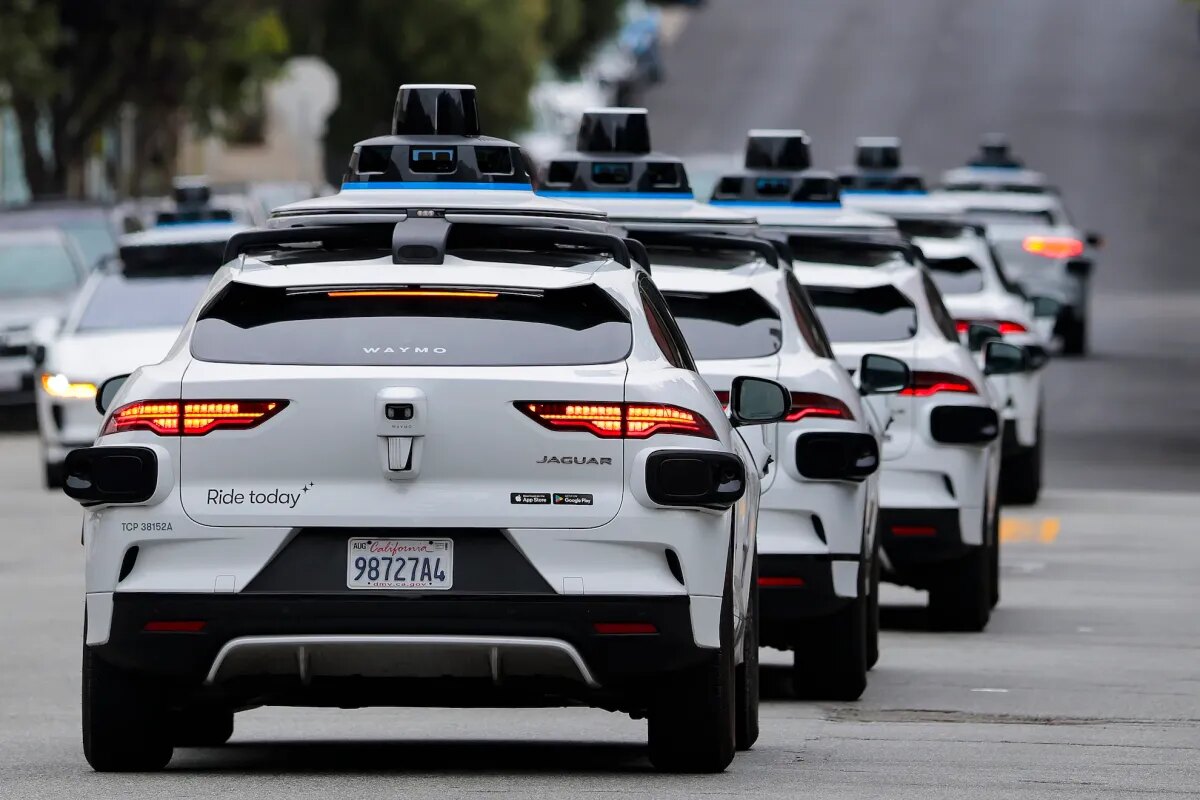
Waymo plans to launch a public robotaxi service in Munich towards the end of 2027, pending mapping, testing and regulatory approvals. The Alphabet-owned autonomous vehicle company said it is working with Germany’s Federal Motor Transport Authority (KBA), state authorities and local officials as it prepares for commercial ride-hailing operations.
The company has already established an entity in Germany, but it must complete several operational and regulatory steps before paying passengers can use the service. Waymo does not currently hold a permit to test autonomous vehicles in the country.
A staged path from mapping to public rides
Waymo intends to follow the rollout model it has used across the 11 cities where it has commercial robotaxi operations. It will first drive vehicles manually through Munich to map local streets, then test autonomous vehicles with human safety drivers behind the wheel.
After that testing phase, Waymo plans to remove the safety drivers and offer driverless rides initially to employees, media and other invited guests. The service would then progress to limited availability before a wider public opening, provided it receives the required commercial approvals.
The planned sequence shows that a robotaxi launch is not a single technical switch. Detailed local mapping, on-road validation, operational controls and formal authorization all precede a commercial service. Munich is therefore a new European expansion target, not an immediately available Waymo market.
Germany’s framework and a growing European market
Germany adopted legislation more than five years ago that enabled driverless vehicles on public roads, becoming the first European Union country to establish a legal framework for Level 4 autonomous driving. Under the Society of Automobile Engineers definition, Level 4 means the system performs all driving tasks without an expectation that a human will take over, but only within specified conditions or environments.
That framework has made Germany a location for autonomous-vehicle testing. KBA data shows that companies including Mobileye and Volkswagen hold permits to test autonomous vehicles there. Most permit holders, including U.K. startup Wayve and Israel-based Autobrains, hold Level 3 permissions. Level 3 systems can perform driving in defined operating conditions, such as low-speed motorway situations, but require a driver able to take control when needed.
Waymo’s European timetable also extends beyond Munich. In London, London robotaxi competition is shaping a competitive robotaxi market where Waymo has said it intends to launch a commercial service in 2026, alongside Wayve and its partner Uber. Baidu has also begun testing autonomous vehicles in the city through its partnership with Lyft and Freenow.
What the Munich plan means for operators
For transport, fleet and city stakeholders, Waymo’s announcement makes the approval pathway as important as the targeted date. Any organization assessing autonomous ride-hailing should plan for phased deployment, local mapping and testing requirements, and the distinction between Level 3 testing permissions and a Level 4 commercial service.