


Waymo expands public robotaxi service to three US cities
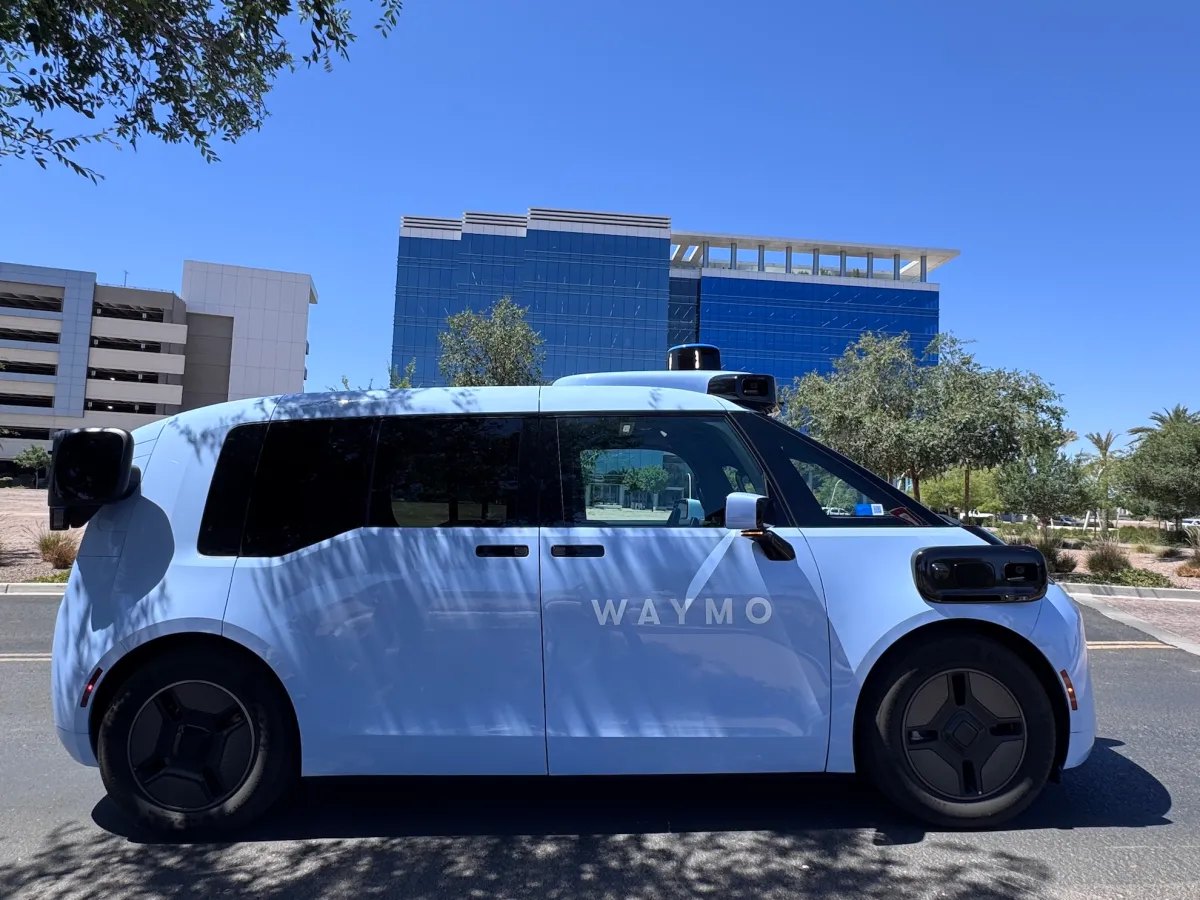
Waymo has started offering its public robotaxi service in Denver, San Diego and Tampa, taking the Alphabet-owned company’s commercial operations to 14 US cities. The company said riders in the three markets will be invited on a rolling basis as access is gradually increased.
The expansion lifts Waymo’s fleet of autonomous Jaguar I-Pace hatchbacks and its Ojai minivans to more than 4,000 vehicles. In Denver and San Diego, the Zeekr-made Ojai will be the only autonomous vehicle available to riders; Tampa is part of the same commercial rollout.
A phased route from testing to paid rides
Waymo generally enters a market by mapping and testing its autonomous driving technology, then removing the human safety operator. Employees, media and invited guests are subsequently able to use the service before public access is expanded. The timing of paid rides can depend on local regulation.
California, for example, requires permits from two agencies: one covering deployment of driverless vehicles on public roads and another allowing companies to charge for rides. Waymo’s invitation-based opening in Denver, San Diego and Tampa follows its established approach of raising access gradually rather than releasing service to all riders at once.
Ojai becomes the launch vehicle in two markets
The Ojai, pronounced “oh-hi”, uses Waymo’s sixth-generation self-driving system. It is designed to cost less to build, operate and maintain than earlier vehicles. Its fleet remains small at about 300 vehicles compared with Waymo’s Jaguar I-Pace fleet, but the company expects it to grow as it pursues profitability alongside expansion.
The vehicle strategy builds on Waymo's Ojai robotaxi platform for scaling as Waymo brings the minivan into additional commercial markets. Limiting the Denver and San Diego launch fleets to Ojai gives the company a direct operating test of that newer platform while it expands rider access.
Competition and a wider market footprint
Waymo’s recent growth accelerated after it opened robotaxis to riders in Austin through a partnership with Uber in March 2025. Since then, it has launched commercial services in Atlanta, Dallas, Houston, Miami, Nashville, Orlando and San Antonio. Earlier milestones included securing the permits to charge passengers for driverless rides in San Francisco in August 2023 and expanding across the Bay Area before moving into Los Angeles in 2024.
Tesla is also seeking to expand its robotaxi presence. It charges for rides in driverless Tesla Model Y vehicles in Austin, Dallas, Houston, Miami, Orlando and Tampa, although service remains limited in some markets. Tesla is also counting on its Cybercab, a two-seat vehicle built without a steering wheel or pedals.
Waymo has further expansion plans. The Nevada Transportation Authority last month unanimously approved a permit for Waymo to operate up to 1,000 autonomous vehicles in Clark County over the next year; Tesla and Uber also received permits. Waymo is additionally planning robotaxi launches in London and Munich. For businesses assessing autonomous transport, the practical consideration is not national availability but the specific city’s regulatory status, phased rider access and vehicle capacity.