


Waymo contrasts sensor strategy with Tesla’s Cybercab plans
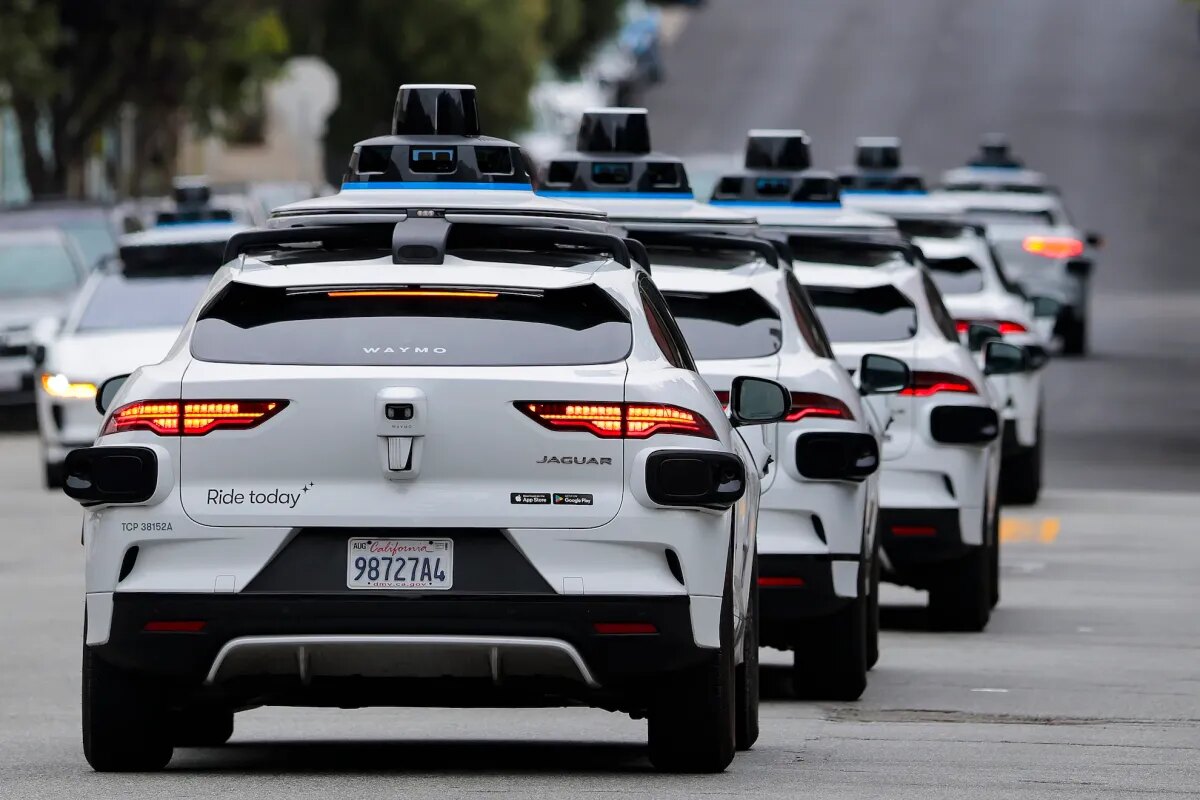
Waymo has publicly argued that safe, fully autonomous driving at scale requires cameras, lidar and radar, sharpening the contrast with Tesla’s camera-and-AI approach ahead of Tesla’s expected September 3 Cybercab event. Waymo says its robotaxi service now operates a fleet of around 4,000 vehicles in 14 US cities and provides 500,000 paid trips each week.
The Alphabet-owned company made the case in a blog post and comments to Axios. Srikanth Thirumalai, the Waymo executive overseeing driving software, said the company has accumulated more than 200 million real-world autonomous miles. He argued that cameras are valuable but cannot by themselves provide the redundant view needed for safe autonomous operation at scale.
Two competing approaches to autonomy
Waymo integrates cameras, radar and lidar on vehicles produced by other manufacturers. The company says combining these inputs gives the Waymo Driver a richer, redundant understanding of its surroundings than any individual sensor can provide. Thirumalai also warned that a pure end-to-end neural system taking raw pixels and producing steering commands could create black-box failures.
Tesla has taken the opposite technical path. Elon Musk has repeatedly criticised lidar, and Tesla is pursuing full autonomy through cameras and AI. Its purpose-built Cybercab is a two-seat gold sedan without a steering wheel or pedals, designed to operate as a robotaxi from the outset.
The company has been developing the Cybercab for several years and has begun registering vehicles with the Texas DMV ahead of the event. A recent filing indicates Tesla is targeting annual production of more than 125,000 Cybercabs. Tesla has also been trialling a Robotaxi network in a small number of Texas and Florida cities using modified Model Y SUVs, recently removing safety monitors from a majority of those vehicles.
Scale, safety and fleet economics
The disagreement is no longer only theoretical because both companies are building robotaxi operations. Tesla must still demonstrate that its self-driving software can achieve full autonomy and then address operational challenges that emerge in live fleets, including severe weather, emergency situations and school zones. The context for the launch is set by Tesla Cybercab testing in Austin as Tesla prepares a vehicle designed without conventional driver controls.
Cost is another major distinction. Waymo must purchase third-party vehicles, install a larger sensor suite and, for the Zeekr-made Ojai, pay import taxes before its self-driving technology is added. Tesla manufactures its own cars and is betting that a camera-only sensor setup can lower vehicle and network costs.
For businesses evaluating autonomous mobility, the immediate test is not a single vehicle reveal but evidence of safe, repeatable service at fleet scale, alongside the cost of equipping and operating each vehicle.