


OSHA filings show injuries among Waymo and Zoox test drivers
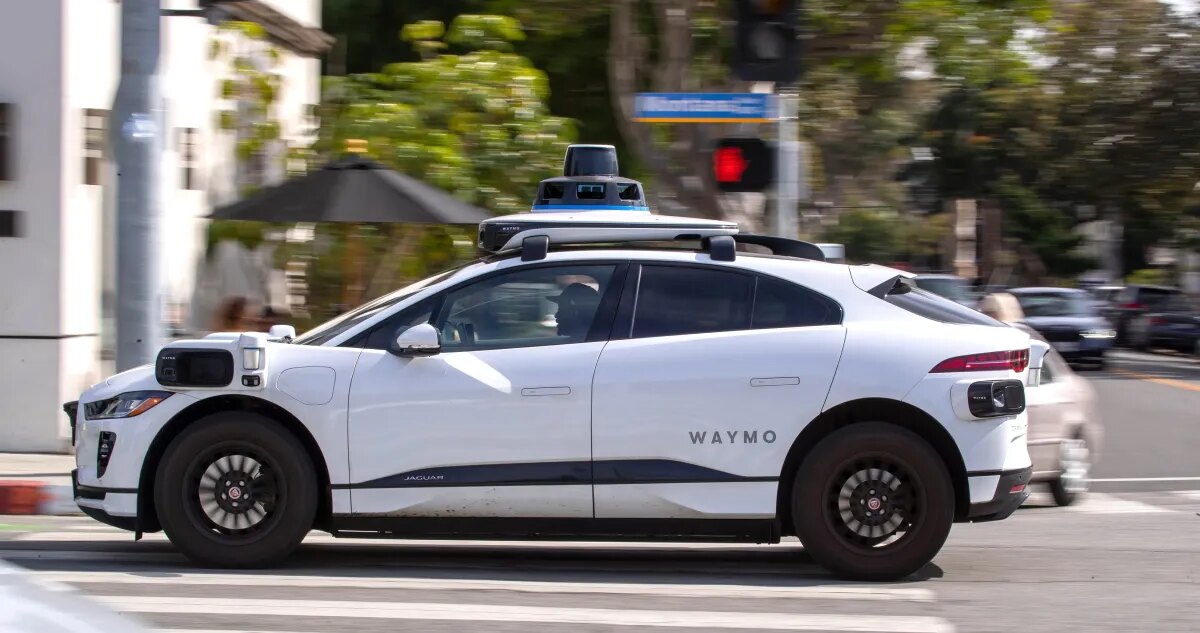
Test drivers working on autonomous vehicles for Waymo and Zoox sustained more than two dozen injuries during 2024 and 2025, based on Occupational Safety and Health Administration records reviewed by TechCrunch. The reported cases include sprains, strains, whiplash and pain following hard braking or sudden vehicle movements during public-road testing.
Transdev, which employs and manages Waymo test drivers, reported 16 injuries associated with Waymo depot locations in San Francisco, Los Angeles and Phoenix. Zoox reported as many as eight worker injuries linked to hard braking. The records cover employers in industry classifications that trigger public OSHA disclosure requirements and therefore do not necessarily represent all autonomous-vehicle testing activity.
Injuries rose as Waymo expanded testing
Transdev logged five Waymo test-driver injuries across the three cities in 2024: one related to hard braking and four to erratic vehicle behaviour. In one case, a vehicle reportedly reversed suddenly while parking itself and turned the steering wheel sharply, injuring a driver’s hand and wrist. The worker was away from work for more than two months.
The figure rose to 11 injuries in 2025, with hard braking responsible for nearly all reported incidents. One Phoenix worker was away from work for 157 days after an autonomous vehicle made what the report described as an exaggerated braking event without an obstruction. A Los Angeles incident involving children in the vehicle’s path left another worker away for 175 days.
The increase coincided with a wider deployment footprint. Waymo expanded commercial service and mapping activity, with its fleet growing to more than 1,500 vehicles by May 2025 and exceeding 3,500 vehicles later. Waymo said it has driven tens of millions of miles with human operators as part of validation and that lessons from those trips are integrated into its service. Transdev declined to comment.
Zoox reports repeated hard-braking cases
Zoox contractors told TechCrunch that abrupt stops, internally called brake jabs, can occur repeatedly during a test drive. They said the system may brake after detecting, or mistakenly detecting, debris, and that a system shutdown known internally as a nogo can also trigger a sudden stop. Higher-speed events can be particularly difficult because the driver must regain control quickly.
Seven of Zoox’s eight OSHA entries explicitly cite hard braking, nogos or brake jabs. A January 2025 San Francisco incident injured a contractor’s shoulder and upper arm and resulted in 16 days of restricted duty. Another unexpected stop that month injured a driver’s neck and caused a swollen shoulder. An instructor in a rear seat reported rib, shoulder, spine and pelvis injuries after software braked harshly in June.
The issue remains important as Zoox paid robotaxi launch and industry requirements highlights the regulatory setting for Zoox’s paid robotaxi ambitions, while the company begins charging for rides in Las Vegas. Zoox said it takes injuries seriously, follows reporting requirements and that hard-braking incidents can sometimes be unavoidable. It also said the reported injuries represented a small proportion of its test fleet’s millions of miles.
What the disclosures do and do not show
OSHA requires annual public reporting from establishments with at least 100 employees in specified higher-hazard industries. That means injuries in smaller or newer operations may not appear in the available dataset. Passenger injuries in purpose-built robotaxis may also fall outside these worker disclosures.
Zoox said a recall intended to address a narrow unexpected-braking behaviour was unrelated to later incidents and injuries. For organisations assessing autonomous transport, worker injury records should be reviewed alongside fleet mileage, operational design and passenger-safety data, rather than treated as a substitute for any one of those measures.