


Waymo and Zoox test-driver injuries expose robotaxi safety gap
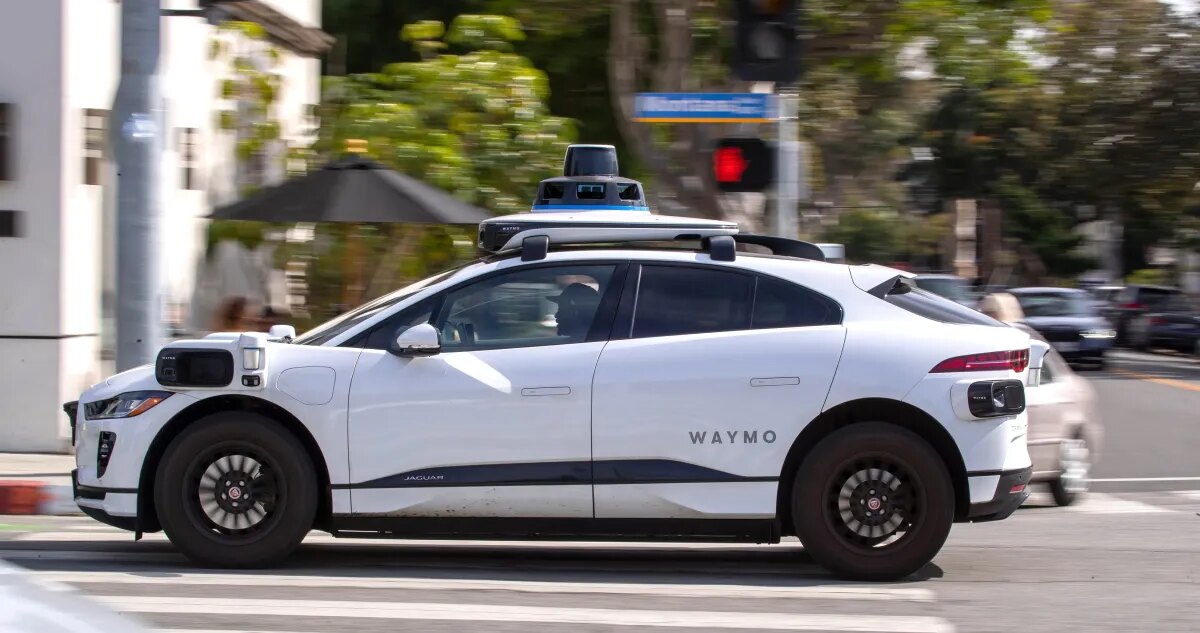
Test-driver injuries emerge in robotaxi development
TechCrunch reporting based on Occupational Safety and Health Administration submissions found that test drivers at Waymo and Zoox sustained more than two dozen injuries during 2024 and 2025. The incidents were linked to hard braking and other sudden movements by autonomous vehicles under development.
Some workers suffered injuries including whiplash after vehicles stopped abruptly. In certain cases, the effects kept them away from work for months, putting an occupational-safety dimension alongside the public-road safety claims that have long framed the robotaxi sector.
Safety evidence does not remove workplace risk
Autonomous-vehicle proponents argue that robotaxis and other self-driving systems can reduce crashes and improve road safety, and TechCrunch notes that evidence exists for that case. The test-driver reports show that this potential does not eliminate risks for people working inside the vehicles during development and testing.
The reporting draws on OSHA data and interviews with current and former workers. Its central finding is not that the technology’s claimed safety benefits are invalid, but that abrupt vehicle behaviour can create a distinct risk for the employees asked to monitor, test or ride in these systems.
The broader context includes Waymo and evolving autonomous vehicle rules and the evolving operational rules around autonomous vehicles, while these injury reports focus attention on the people exposed during the path from testing to commercial deployment.
A reporting gap complicates comparisons
Waymo and Zoox may not be the only developers facing this issue. TechCrunch says it is likely that test drivers at other autonomous-vehicle companies are also injured, but some employers may be exempt from OSHA reporting requirements. That means public records may not provide a complete, comparable picture across the industry.
The distinction matters because published autonomous-mileage totals and crash metrics answer different questions from workplace injury records. Waymo, for example, says its vehicles have driven more than 200 million autonomous miles and has shared lessons from that work, including the importance of multimodal sensors and vision-language models.
Implication for transport leaders
Businesses evaluating robotaxi partners or autonomous operations should consider how worker incidents are recorded, investigated and mitigated, not only the headline claims about road safety and vehicle performance. A credible deployment assessment needs visibility into both public-facing safety outcomes and the working conditions created during testing.