


Zillow and Redfin settle FTC case over rental advertising
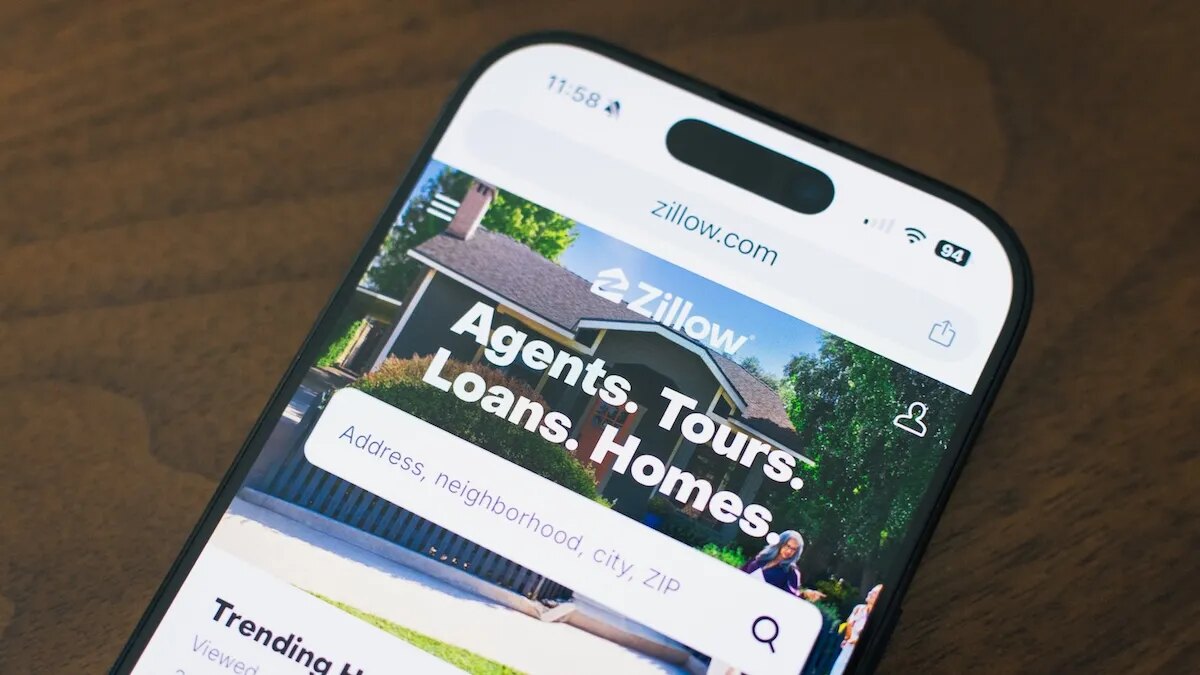
Zillow and Redfin have settled an antitrust case brought by the Federal Trade Commission and the attorneys general of Arizona, Connecticut, New York, Virginia and Washington over their 2025 rental-listings partnership. Announced on Monday as the case was due to go to trial, the proposed settlement requires Redfin to reenter the rental advertising business.
The dispute centred on an arrangement under which Redfin agreed to display Zillow rental listings on its websites rather than compete directly with Zillow for rental advertisers. Redfin owns the major rental-listing platforms Rent.com and ApartmentGuide.com. The FTC said the arrangement could have kept Redfin out of rental advertising for as long as nine years.
Regulators challenged the $100 million arrangement
The FTC and the five states alleged that Zillow agreed to pay Redfin $100 million to keep it from competing. In the regulators’ view, Zillow was paying one of its largest competitors to withdraw from a market where property managers buy advertising and listing services.
The agency argued that reduced competition could enable higher prices and less favourable terms for property managers, while also lowering the quality of rental listings available to consumers. Zillow and Redfin defended the partnership as a way to give renters access to a larger pool of listings.
Redfin regains the ability to compete independently
Under the proposed order, Redfin can continue to display Zillow’s rental listings. However, restrictions that limited Redfin’s independent competition for property-management customers will be removed.
Redfin will again be able to sell advertising, show listings from its own clients and pursue new rental customers. It will also be able to do so without being required to share sensitive business information with Zillow. The settlement therefore preserves part of the distribution relationship while restoring Redfin’s ability to compete for business in its own right.
What the settlement means for marketplace partnerships
The case arrived months after the Department of Justice reached a settlement with Ticketmaster in a separate antitrust matter involving allegations that a dominant company used its position to suppress competition. In that case, 26 of the 30 state attorneys general that originally sued Live Nation alongside the DOJ continued their litigation and won in April.
For companies operating digital marketplaces, the practical implication is that distribution agreements involving major competitors must be assessed not only for consumer reach, but also for whether they constrain independent sales, customer acquisition or the handling of competitively sensitive information.