


Zipline raises $1.5B as Walmart plans 300 US drone delivery sites
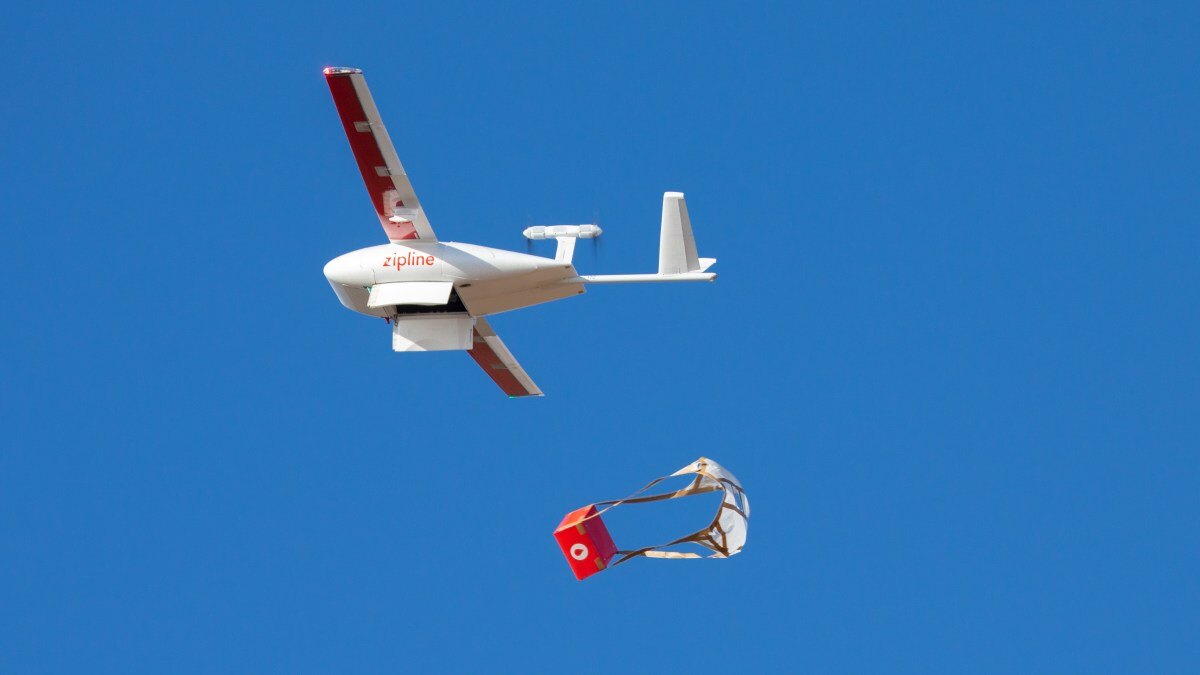
Zipline has raised $1.5 billion at a valuation of $21.5 billion and signed a new multiyear agreement with Walmart to add 300 drone-delivery sites across the United States. The expansion is a substantial increase from the 21 active sites the companies operate today under a partnership that began in 2021.
The California-based autonomous delivery and logistics company said the funding will be used to expand US manufacturing facilities and hire workers as it builds a nationwide drone-delivery network. Paradigm, WCM Investment Management and Layer Global led the round, with participation from Valor Equity Partners, Fidelity Management & Research Company, Uber, Tiger Global, J.P. Morgan, ARK Invest and Salesforce Ventures.
Walmart network expansion follows a larger financing
Zipline develops an ecosystem comprising aircraft, launch and landing systems, and logistics software. Its agreement with Walmart gives the company a much larger prospective retail footprint, while the financing supports the manufacturing and workforce capacity needed for broader deployment.
For home delivery, Zipline uses Platform 2 drones designed to carry loads of up to eight pounds to customers within a 10-mile radius. Its larger Platform 1 aircraft are intended for enterprise, business and government deliveries, with a range of up to 120 miles round trip.
Certification and partnerships underpin US operations
Founded in 2014, Zipline began by delivering blood in Rwanda before expanding operations to Ghana and Nigeria. It launched its first US service in 2020, transporting medical equipment and supplies for Novant Health in North Carolina. In 2022, the Federal Aviation Administration granted Zipline Part 135 air carrier certification, authorising long-range commercial drone deliveries.
The company has subsequently added partnerships, including an arrangement in which Uber investment in Zipline drone delivery brings Zipline drones into Uber Eats delivery plans. Zipline now delivers food, retail, agricultural and health products in five African countries, several US cities and Japan.
Delivery revenue becomes a key measure
Zipline said its share of delivery revenue increased from 10.8% in March to 34.9% in October. The new funding is intended to raise that share further as the company expands its network and delivery capacity.
For businesses considering drone logistics, the development highlights that scaling depends on more than aircraft: regulatory permissions, launch and landing infrastructure, software, manufacturing capacity and local operating sites must be assembled together before a service can expand nationally.