


Zoox wins two-year US exemption for commercial robotaxi service
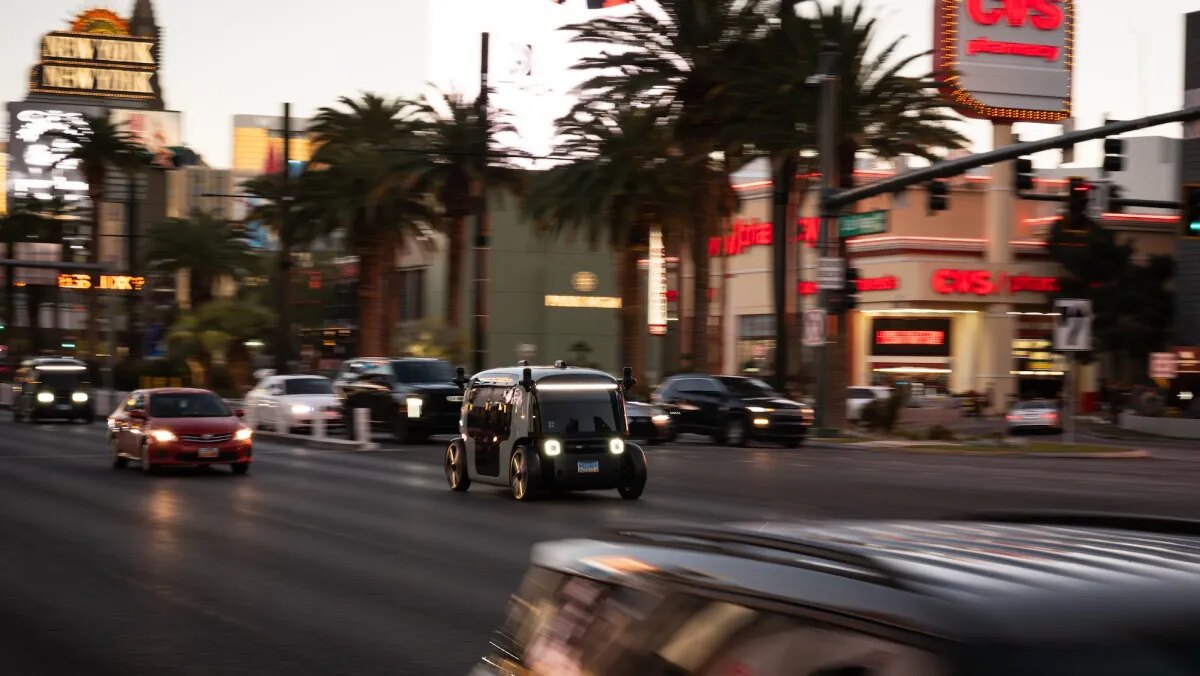
Amazon-owned Zoox will begin charging for robotaxi rides on August 10 after the US National Highway Traffic Safety Administration granted it a commercial exemption. The approval allows Zoox to operate a fleet of up to 2,500 purpose-built autonomous vehicles commercially for two years.
Zoox has already carried passengers in Las Vegas and San Francisco and is opening early rider programmes in Miami and Austin. The new exemption changes the business context because it permits paid service rather than technology demonstrations.
Approval addresses driverless vehicle design
Zoox required the exemption because its robotaxis do not have several controls that federal motor vehicle standards normally require, including a steering wheel and pedals. Its vehicles are designed to operate without a human driver.
The company had previously received permission to demonstrate the technology. The latest NHTSA decision expands that permission into commercial fleet operations, subject to the 2,500-vehicle limit and two-year term.
The ruling is significant beyond Zoox because it creates a regulatory path for autonomous vehicle developers whose designs omit equipment intended for human-driven cars. A robotaxi without a driver, for example, does not necessarily need a rear-view mirror when exterior sensors provide visibility.
Commercial deployment remains a separate test
Tesla is an obvious potential beneficiary because it is developing the two-seat Cybercab. Other developers of vehicles without steering wheels, pedals or similar traditional controls could also seek a comparable route to commercial operation.
Zoox’s approval arrives while ride-hailing platforms and fleet operators are building broader autonomous-vehicle businesses. Uber has partnered with and, in some cases, invested in autonomous vehicle companies; its network approach includes the activity described in Atoms expands AI and industrial automation role as Atoms expands its role in AI and industrial automation.
Uber CEO Dara Khosrowshahi said during an earnings call that the company would commit $10 billion over the coming years to deploy 120,000 driverless vehicles. The figure matches a Financial Times estimate of Uber’s autonomous-vehicle investment.
Fleet operators are preparing for scale
Moove, now based in Dubai, raised $250 million in a Series C led by Mubadala Investment Company, with Woven Capital and Ion Pacific as co-leads. The company is valued at $2.1 billion and plans to scale its autonomous-vehicle fleet management business, including hiring about 350 people.
Moove operates Waymo fleets in Phoenix, Miami and Las Vegas, with London planned for the future. It also plans to buy Waymo robotaxis and already owns robotaxi assets from an unnamed company.
For transport businesses, the immediate implication is that a commercial robotaxi plan must align vehicle design, federal permission, fleet operations and deployment partnerships. Zoox has secured a defined regulatory opening, while the wider market is still assembling the operational systems needed to use such approvals at scale.