


Rivian outlines plans for third-party AI agents in its vehicles
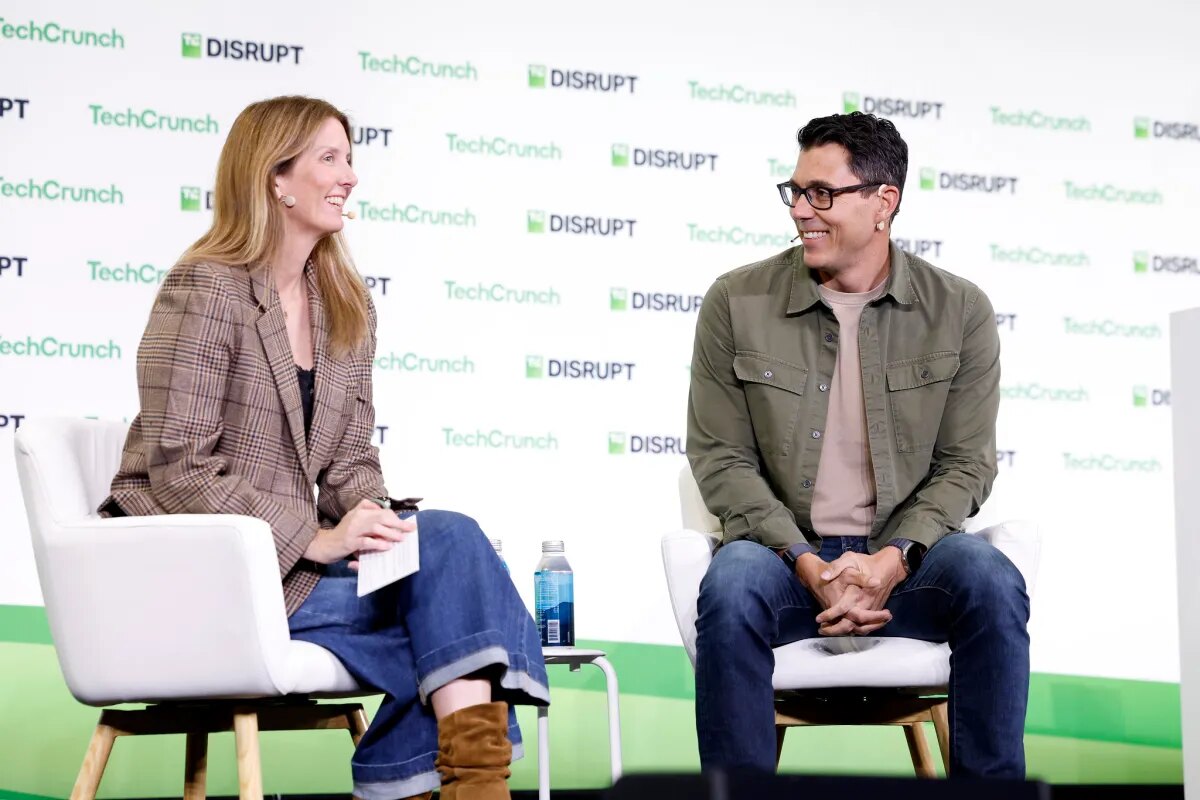
Rivian plans to expand its in-car AI assistant so that its electric vehicles can run agents from third-party companies, including firms such as Anthropic, CEO and founder RJ Scaringe said at TechCrunch Disrupt. The company did not provide a launch date and directed further questions to its AI & Autonomy Day event in December.
The proposed capability would build on Rivian’s recently introduced voice assistant. Drivers and passengers can already speak to the vehicle, while the company’s software determines how to fulfil a request. Scaringe said future integrations could potentially include products such as Anthropic’s Claude, OpenAI’s Dots or Meta’s Muse assistant.
An in-house routing layer
Rivian developed its in-car software rather than relying on Apple CarPlay or Android Auto, and it has built applications including navigation. It has also integrated selected third-party in-car services, such as Apple Music.
At the core is what Rivian describes as an in-house agentic framework. It interprets the action requested by a user and routes it to the appropriate part of the vehicle’s software. Routine requests can include changing cabin temperature, activating seat warmers or summarising the news.
Scaringe compared the routing process to a traffic light. The system can use a local model running at the edge in the vehicle, send more complex questions to the cloud, and select among different models for cloud-based tasks. Since May, the agent has also been able to access external applications such as Google Calendar.
Safety limits and cross-device context
Adding external AI products requires substantial technical integration and coordination with the AI labs that build them, Scaringe said. The company is drawing a firm boundary around safety-critical vehicle functions: an agent will not be allowed to decide when a vehicle should brake or steer.
Instead, Rivian expects the feature to extend the way people use AI assistants beyond the car. A driver might ask the vehicle to activate ventilated seats and then continue a meal-planning conversation that began on another device. To support that flow, the vehicle would need access to the user context held by the relevant assistant.
The strategy follows Rivian’s broader focus on vehicle software and autonomy, a theme that Rivian’s R2, robotics and autonomy agenda examines through the company’s R2, robotics and autonomy agenda. Tesla has already added a feature allowing users to speak with SpaceX’s Grok chatbot and Grok Bot assistant, illustrating that AI-agent interfaces are becoming part of the US automotive software landscape.
What organisations should watch
For businesses deploying connected fleets or evaluating AI-enabled vehicles, Rivian’s approach highlights the practical questions behind conversational interfaces: which model handles a request, what user context can be shared, and where permissions must stop. The business implication is clear: AI features in vehicles should be assessed not only for convenience, but also for their integration controls and separation from safety-critical functions.