


Tesla joins China recall campaign focused on emergency door releases
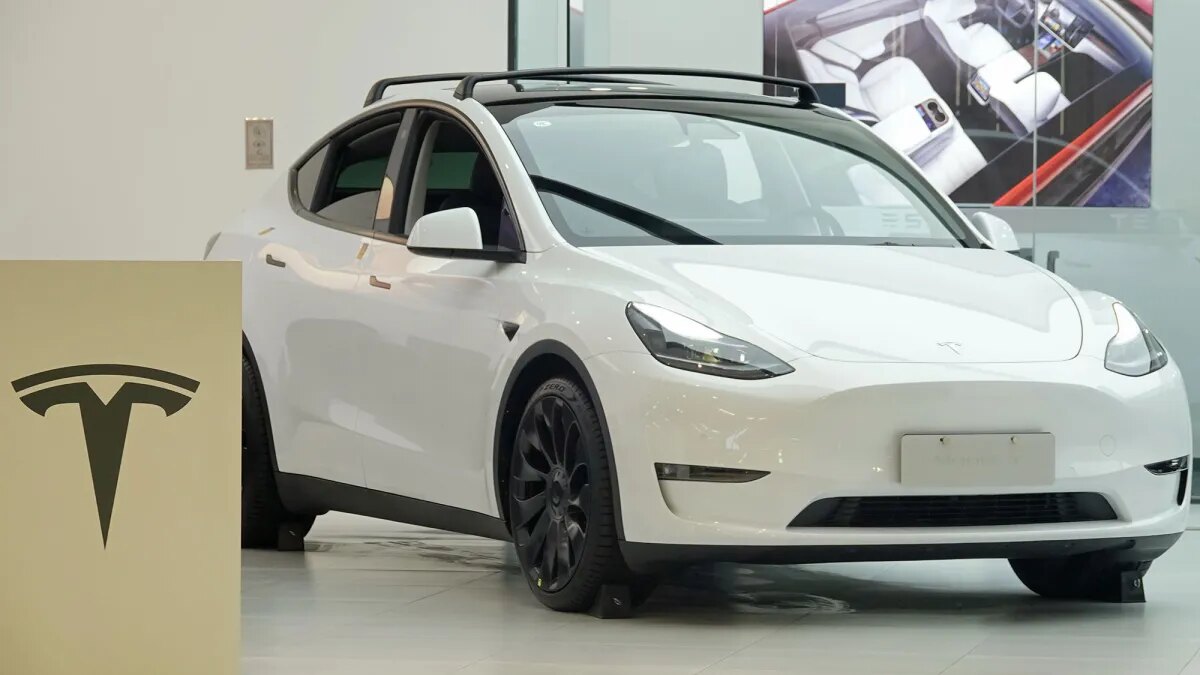
Tesla is recalling just under 3 million vehicles in China as part of a nationwide campaign addressing hidden emergency door releases. Reuters reported that 11 carmakers are taking action over the risk that occupants may be unable to locate manual releases after a crash or fire. Tesla is among nine manufacturers that will install warning labels to help people identify the releases, while all 11 companies will also deliver software updates.
The campaign also includes Xiaomi, Xpeng and Geely brands Zeekr and Lynk & Co. It focuses on a design issue that has become more prominent as electronic door latches have replaced conventional mechanical operation in many electric vehicles.
Emergency access becomes a regulatory focus
Electronic latches can make everyday entry more convenient, enabling doors to be opened with a smartphone or an NFC tap card. In a collision, however, those systems may fail. Manufacturers commonly provide manual backup releases, but the controls can be located in unexpected places or concealed behind door panels.
China announced in February, after a two-year review, that it would ban hidden electronically actuated exterior door handles from 2027. The Tesla recall therefore sits within a wider regulatory response rather than a standalone action by one manufacturer.
The issue also has implications for the EV market dynamics described in Tesla and the changing robotaxi market, where Tesla remains part of a transport sector shaped by differing regional conditions and product strategies. For vehicle makers, the recall underscores that convenience features must not obscure the means of emergency exit.
Pressure extends beyond Tesla
Late last year, the top US automotive safety regulator opened an investigation into Tesla’s door-latching system following Bloomberg reporting on the matter. The agency is also considering a new rule that could alter safety requirements for these systems. A US lawmaker has proposed legislation requiring manual releases to be intuitive and readily accessible to occupants.
Other automakers have faced related concerns. Rivian customers and employees raised questions last year about the manual release in R1 vehicles, which requires passengers to remove a panel and pull a cord. Rivian subsequently said the newer, lower-cost R2 would move the release to a more accessible position.
In 2025, Ford briefly halted Mustang Mach-E sales and issued a recall intended to reduce the likelihood of electronic latch malfunctions if vehicles lost power. Tesla, which helped popularise flush exterior handles and electronic latches, has said it is working on a redesign of its door handles.
Implications for fleet and product teams
For businesses buying, operating or designing connected vehicles, the practical lesson is to verify how emergency functions work when power and primary interfaces are unavailable. Clear physical access, visible guidance and staff familiarity with manual releases should be treated as part of vehicle safety planning.