


Tesla Plans Cybercab Sales as NHTSA Reviews Safety Compliance
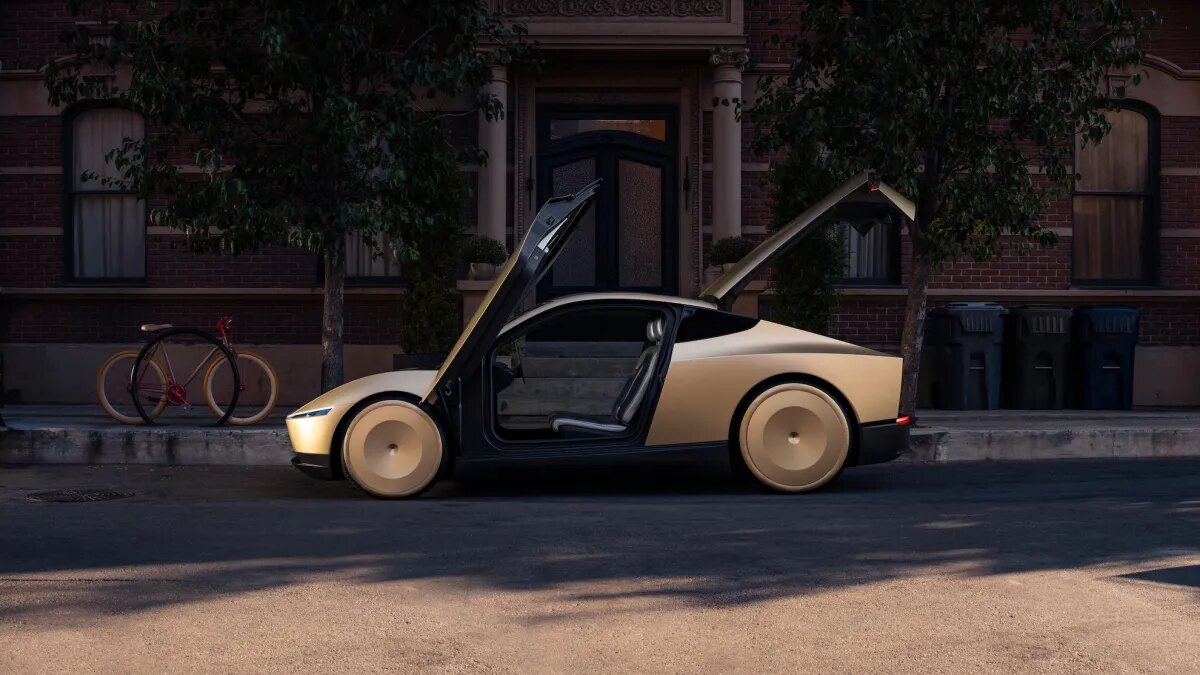
Tesla says it intends to start selling its Cybercab autonomous vehicle to customers by the end of the year, even as the US National Highway Traffic Safety Administration investigates the vehicle’s safety certification. The gold-hued, two-seat Cybercab has no steering wheel or conventional manual controls, and Tesla currently allocates every vehicle it produces to its own robotaxi fleet.
On Tesla’s third-quarter earnings call, Lars Moravy, the company’s vice president of engineering, said Tesla expects to begin with limited customer deliveries. He said the company will scale as it learns about delivery, ownership and fleet management for autonomous vehicles.
Sales plan shifts the robotaxi model
Tesla raised the prospect of selling Cybercabs to third parties around its Cybercab event in Austin and published a robotaxi interest form. Moravy’s comments make that intention more explicit, although Tesla has not set out how customer sales, fleet operations or delivery will work in practice.
The plan marks a change from Elon Musk’s long-running vision of converting privately owned Tesla cars into self-driving taxis through a software update. That approach has not materialised. Tesla owners can subscribe to Full Self-Driving (Supervised), an advanced driver-assistance system that automates many driving tasks but still requires an attentive human driver ready to take over.
Musk said on the call that Tesla expects to roll out an unsupervised version of FSD to customers sometime in the second quarter. If both stated timelines hold, fleet customers could buy Cybercabs and potentially run robotaxi services before existing Tesla owners receive comparable autonomous capability in their own cars.
For the wider strategy, Tesla’s Cybercab robotaxi strategy test frames the Cybercab as a test of Tesla’s robotaxi model as the company separates transport-as-a-service vehicles from cars designed primarily for personal ownership.
Federal rules remain an operational constraint
NHTSA opened its Cybercab investigation last month, hours after the vehicles began operating on public streets in Austin. The agency said it would examine the process and technical data Tesla relied on when certifying the Cybercab, along with related issues.
Federal Motor Vehicle Safety Standards require manual controls such as brake pedals and also specify features including rear-view and side mirrors. Automakers generally self-certify compliance with these standards, and Tesla did so for the Cybercab. Existing rules do not accommodate vehicles designed without manual controls, although the Department of Transportation has proposed removing those requirements for autonomously driven vehicles.
The investigation’s outcome could affect whether Tesla or other operators can legally run Cybercabs. Businesses considering autonomous transport should therefore distinguish Tesla’s delivery target from confirmed operating permission, and assess regulatory status, fleet responsibilities and deployment evidence before committing to a robotaxi programme.