


Tesla brings robotaxi service to San Antonio
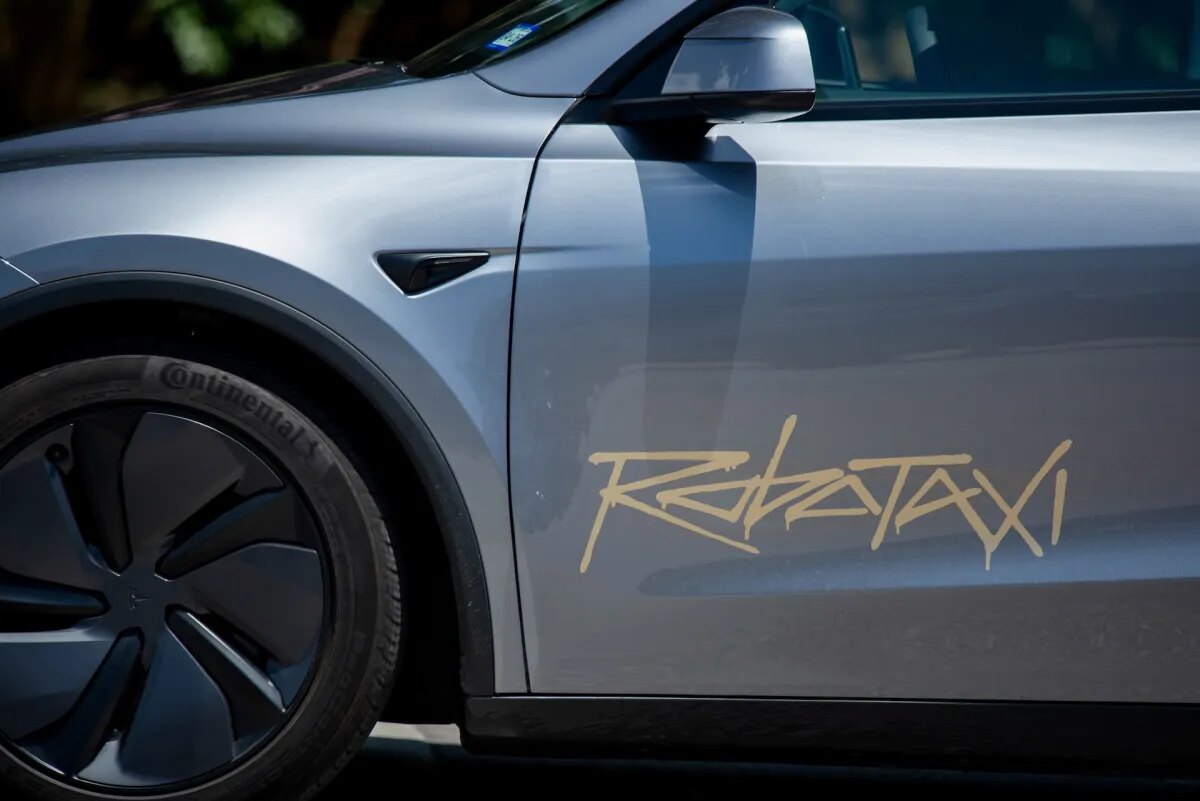
Tesla said it will make its robotaxi service available in San Antonio from 5 a.m. local time on Monday, extending its Texas footprint beyond Austin, Dallas, Fort Worth and Houston. The announcement did not specify operating hours, the size of the fleet, the vehicles to be used or whether human safety monitors will be aboard.
The launch advances Tesla's effort to compete in autonomous ride-hailing while presenting the company as more than an automaker. Tesla first launched its robotaxi service in Austin in June 2025, with human safety operators on board. In January, it removed those monitors in Austin, beginning a driverless service there.
Expansion with limited operational detail
Tesla has spent the following 11 months expanding within Austin and into new Texas and Florida markets. Its robotaxis now operate in limited areas of Miami and Orlando as well as the Texas cities announced before San Antonio.
The company has not said whether San Antonio riders will be served by modified Model Y vehicles, the gold two-seat Cybercab, or both. Nor did it describe the service area. Tesla's earlier rollout pattern suggests an initially confined operating zone and a limited vehicle count, followed by gradual expansion.
That vehicle question is central to the rollout because Cybercab as a key robotaxi strategy test frames the Cybercab as a key test of Tesla's robotaxi strategy, while the San Antonio announcement leaves its availability unresolved.
Competition and fleet scale
Waymo, an Alphabet subsidiary, also operates robotaxis in San Antonio, along with Austin, Dallas and Houston. Its service uses driverless Jaguar I-Pace vehicles and Zeekr RT vehicles branded Ojai. Waymo recently restarted San Antonio operations after a five-month pause following incidents in which vehicles became stuck after entering flooded roads.
Texas vehicle registration data and Robotaxi Tracker indicate that Tesla has more than 400 autonomous vehicles registered in Austin. Its fleets in other cities are markedly smaller: the tracker lists 24 vehicles in Fort Worth and five in Miami, while other markets range from a handful to a few dozen vehicles.
Tesla also runs a ride-hailing service in the San Francisco Bay Area under a transportation charter permit, but a human operates those vehicles. The company does not currently hold the permits required for a driverless ride-hailing service in California.
What the San Antonio launch means
The expansion comes despite Tesla reporting this summer that its robotaxi network drove fewer miles with paying customers in the second quarter than in the first. For businesses assessing autonomous transport availability, the practical implication is to distinguish a city launch from broad service capacity and confirm the operating area, fleet size and supervision model before incorporating the service into travel or logistics plans.