


Zoox suspends Atlanta test vehicles amid reported gas exposure
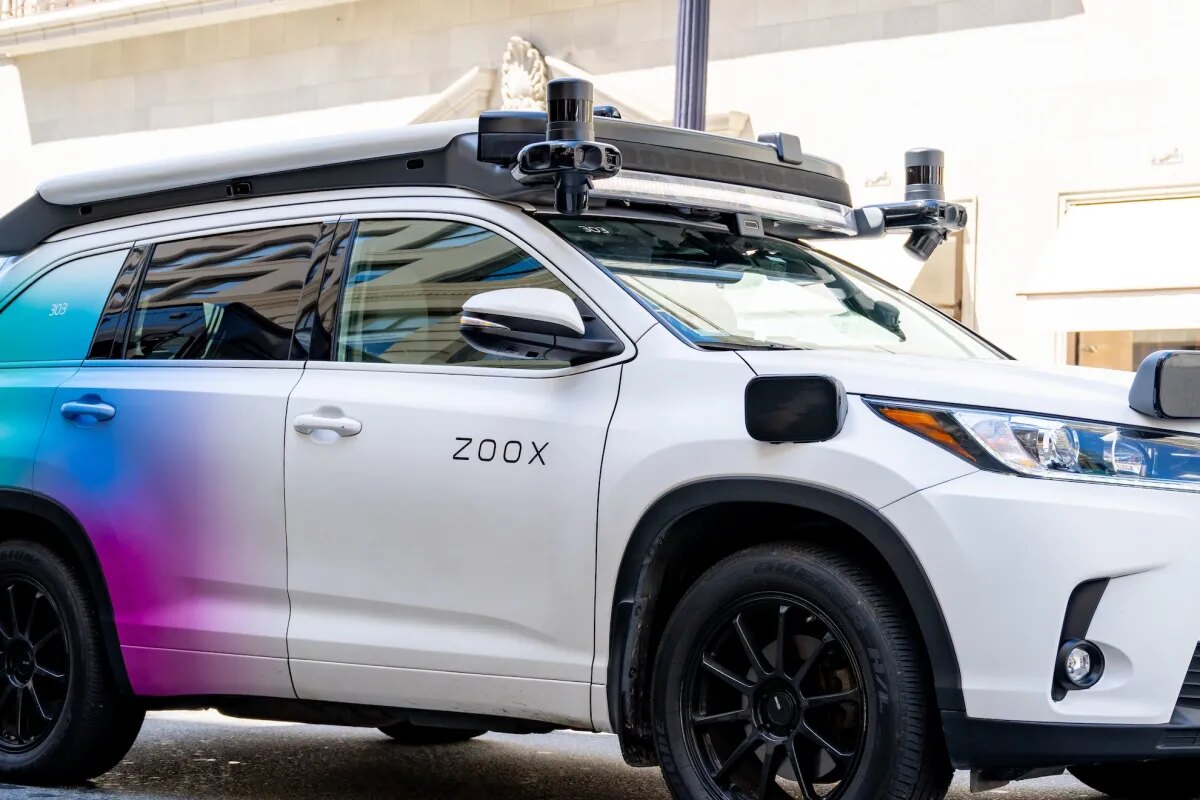
Zoox has suspended operations of its autonomous-vehicle test fleet in Atlanta after workers reported symptoms consistent with possible gas exposure inside modified Toyota Highlander SUVs. In a September 10 letter to the Occupational Safety and Health Administration, the Amazon-owned company said 28 employees had ridden in six vehicles with an “unexplained odor,” and 10 voluntarily underwent medical evaluation.
OSHA opened an inquiry following a worker complaint and instructed Zoox to investigate. The agency has since closed its inquiry. Zoox said its purpose-built, all-electric robotaxis are not affected; the interruption concerns the internal-combustion vehicles used in its Atlanta test fleet.
CO2 was detected, while the precise cause remains unresolved
Zoox told OSHA that one medical report identified carbon dioxide exposure. The company told TechCrunch that an outside medical expert supported its investigation and that CO2 was the only gas detected in the affected vehicles. It said it has not identified carbon monoxide, an odorless gas, in the vehicles.
Workers interviewed by TechCrunch described nausea, lightheadedness and vomiting during August, and some reported a smell resembling rotten eggs. Damaged 12-volt batteries can produce hydrogen sulfide, which has that characteristic odour. Zoox removed, inspected and replaced the vehicles’ 12-volt batteries, but did not state whether it found damage.
The company also tested exhaust systems for leaks and carried out smoke tests for cabin intrusion. Its letter to OSHA did not say whether either test found a fault. Zoox plans to add CO2 monitors to the vehicles as it continues to investigate the reported incidents.
Test-fleet modifications add an operational safety question
Zoox modifies Highlander SUVs with sensors and an autonomy computer for on-road testing. Employees said the vehicles also have an interior air outlet above the central infotainment screen that directs air toward rear passengers, while Zoox said it does not modify the SUVs’ ventilation systems.
Internal-combustion test vehicles can generate exhaust gases, unlike the electric fleets used by several other robotaxi developers. Zoox keeps its test vehicles running for much of the day to maintain sensor calibration and reduce self-driving computer boot time, and uses exhaust-capture systems at indoor depots to reduce gas buildup.
The episode also follows reports that test driver injuries from abrupt manoeuvres detailed injuries involving abrupt braking and swerving, placing renewed attention on the working conditions of safety monitors in rapidly expanding autonomous-vehicle programmes.
Implication for fleet operators
For businesses running modified vehicle fleets, reported illness, unusual odours and unexplained cabin conditions require prompt vehicle isolation, documented testing and medical support. Installing targeted in-cabin monitoring before returning vehicles to service can provide an auditable control while the underlying cause is investigated.